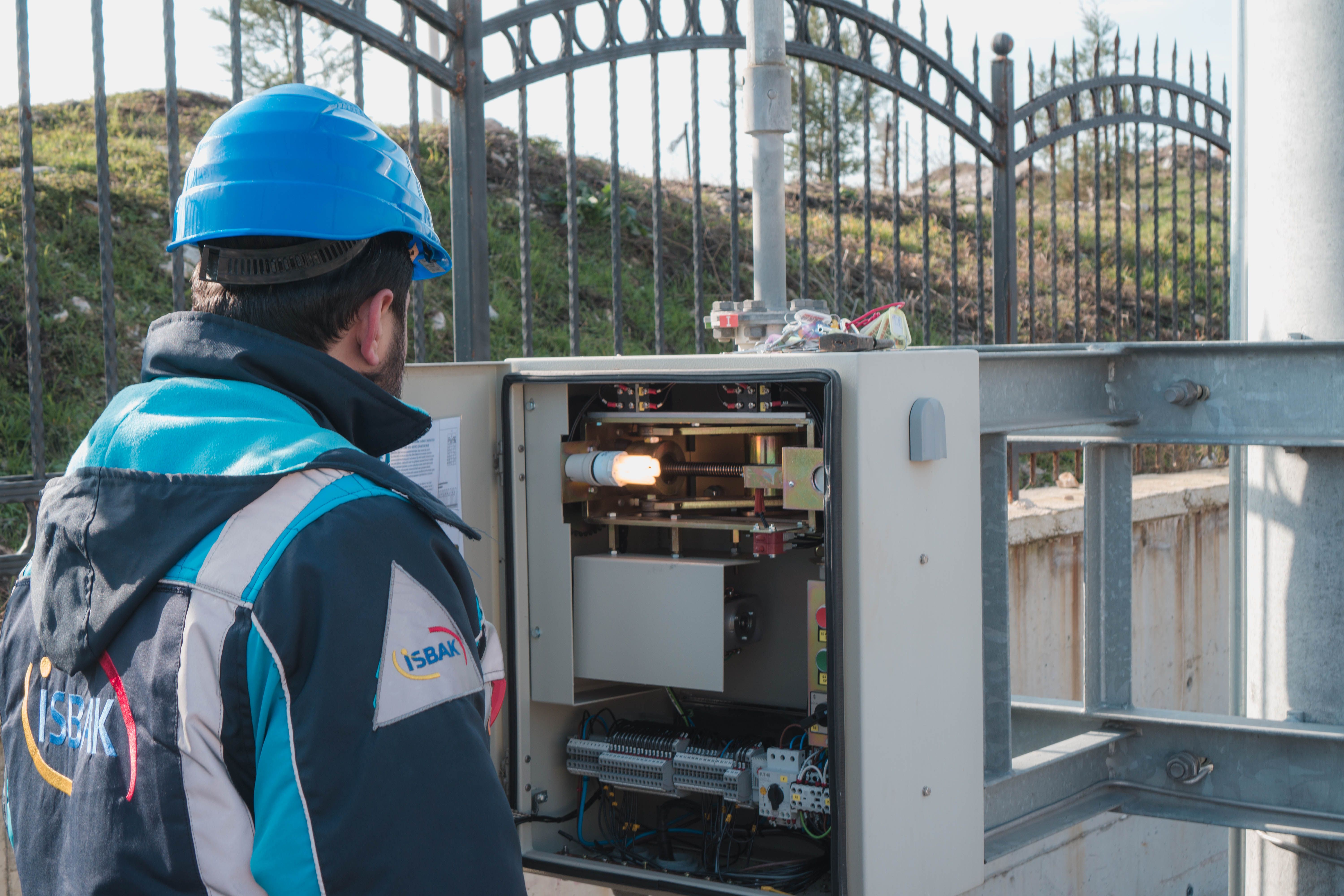
Lighting is a crucial component of our daily lives, impacting everything from our productivity to our energy consumption. As global awareness of environmental issues grows, there’s an increasing shift towards adopting energy-efficient lighting solutions. These solutions not only help reduce electricity bills but also minimize environmental impact. Transitioning to energy-efficient lighting can be a relatively simple yet profoundly impactful change for both residential and commercial settings.
Benefits of Energy Efficient Lighting
Switching to energy-efficient lighting can have several advantages:
- Reduced Energy Consumption: Energy-efficient bulbs, such as LEDs, consume significantly less electricity compared to traditional incandescent bulbs.
- Longer Lifespan: These bulbs have a longer operational life, reducing the frequency of replacements and maintenance costs.
- Environmental Impact: Lower energy consumption reduces greenhouse gas emissions, contributing to a healthier planet.
- Cost Savings: Despite a higher initial purchase price, the reduced energy bills and extended lifespan lead to significant savings over time.
For more insights on the benefits, explore further insights here.
Types of Energy Efficient Lighting
Understanding the different types of energy-efficient lighting options available can assist in making informed choices:
LED Lighting
Light Emitting Diodes (LEDs) are among the most popular energy-efficient lighting options. They offer:
- High efficiency, converting more electricity into light rather than heat.
- A wide range of color temperatures, from warm to cool lights.
- Durability and resistance to impact and vibrations.
Read more about this topic to understand how LEDs can be incorporated into various settings.
Compact Fluorescent Lamps (CFLs)
CFLs are another energy-efficient option that can replace incandescent bulbs. They offer:
- About 70% less energy consumption compared to incandescent bulbs.
- A lifespan that is typically eight to ten times longer than traditional bulbs.
- Wide availability in various shapes and sizes.
Learn more in this detailed guide about integrating CFLs into your lighting plan.
Implementing Energy Efficient Lighting Solutions
Transitioning to energy-efficient lighting involves several steps:
Assessment
Conduct an assessment of the current lighting setup. Identify areas where energy-efficient solutions can replace traditional lighting. Consider the following:
- Areas with high energy consumption.
- Bulbs that need frequent replacement.
- Spaces that can benefit from improved lighting quality.
For additional information on conducting an effective assessment, find additional information here.
Installation and Maintenance
Once the assessment is complete, proceed with the installation of energy-efficient lighting solutions. Proper installation ensures optimal performance and energy savings. Regular maintenance should be scheduled to maximize the lifespan and efficiency of these solutions.
Monitoring and Optimization
After the installation, continuously monitor energy consumption and lighting performance. Adjust and optimize the setup as necessary to ensure continued efficiency and cost savings.
Conclusion
Upgrading to energy-efficient lighting solutions is a smart decision for both environmental and financial reasons. By understanding the various options available and implementing them effectively, significant improvements can be made in energy consumption and cost savings. This transition not only benefits individual users but also contributes to broader environmental goals. For more details on how to seamlessly upgrade your lighting solutions, explore further insights here.