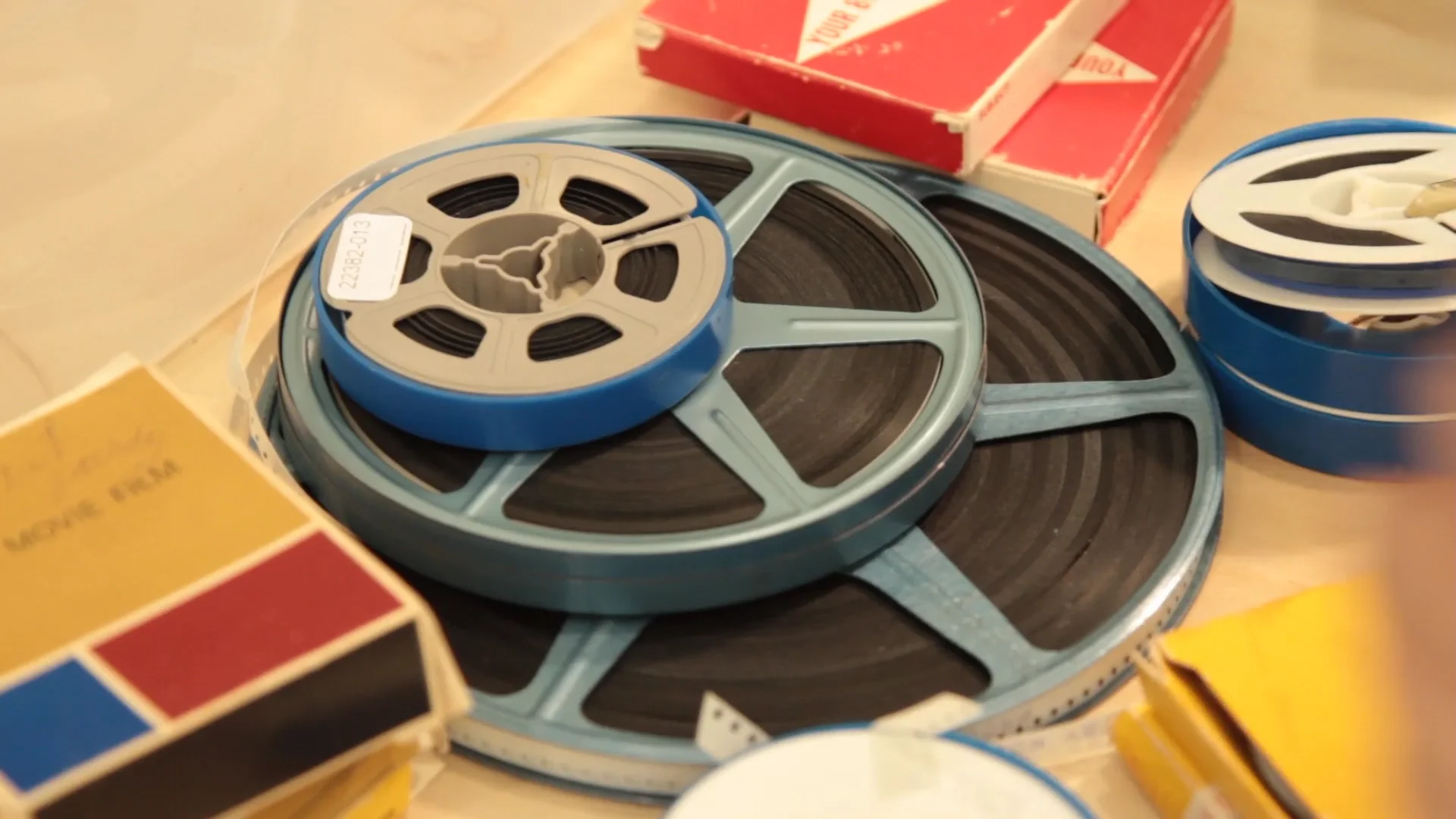
The journey of preserving cherished memories has evolved significantly over the decades. As technology advances, it opens up new possibilities for safeguarding the visual narratives of our lives. One of the most impactful transformations has been the shift from traditional film to digital formats. This transition offers not only preservation but also enhanced accessibility and quality. Engaging a professional film to digital service ensures that these valuable memories are effectively transformed and protected for future generations.
Understanding the Need for Conversion
Film formats, such as Super 8, 8mm, and 16mm, have been popular for capturing memories throughout the mid-20th century. However, these formats face numerous challenges in the modern era:
- Degradation: Films are susceptible to physical deterioration over time due to factors such as humidity, temperature fluctuations, and chemical breakdown.
- Obsolescence: Equipment necessary for playing these films is becoming scarce, making it difficult to view the content without professional intervention.
- Accessibility: Digital formats offer the convenience of viewing content on various devices, sharing easily with family and friends, and storing backups.
The Conversion Process Explained
Transitioning film to digital involves a meticulous process that ensures the integrity and quality of the original media are maintained.
Assessment and Preparation
Before any conversion takes place, the original film is carefully assessed. This involves:
- Inspecting the film for any damage or deterioration to determine the best approach for conversion.
- Cleaning the film to remove any dust or debris that could affect the quality of the digital conversion.
Digitization
The core of the conversion process involves digitizing the film. This step uses advanced equipment and technology to transfer the film frames into digital files. Key aspects include:
- Using high-resolution scanners to capture each frame accurately.
- Adjusting color and exposure settings to enhance the visual quality of the digital output.
- Converting the captured data into a digital format that can be easily accessed and edited.
Quality Assurance and Output
Once the film is digitized, a thorough quality check ensures the digital files meet the expected standards. This includes:
- Reviewing the digital files for any inconsistencies or errors that may have occurred during the transfer.
- Making necessary adjustments to optimize the quality of the final product.
- Providing the digital files in a format that suits the client’s needs, such as MP4 or DVD.
Benefits of Choosing Professional Services
Engaging a specialized film to digital service offers numerous advantages:
- Expertise: Professionals possess the knowledge and experience to handle various film types and conditions.
- Advanced Equipment: Access to high-quality scanners and technology ensures the best possible digital reproduction.
- Time-saving: The conversion process can be time-consuming; professionals streamline the process efficiently.
- Peace of Mind: Knowing that cherished memories are in capable hands provides reassurance and confidence.
Conclusion
In an era where digital mediums dominate, preserving historical and personal memories requires a thoughtful approach. The transition from film to digital not only secures these memories from the ravages of time but also enhances their accessibility and shareability. By opting for a reputable film to digital service, individuals ensure that their treasured moments remain vibrant and accessible for years to come. Embracing this technology allows us to connect with the past while keeping pace with the advancements of the future.