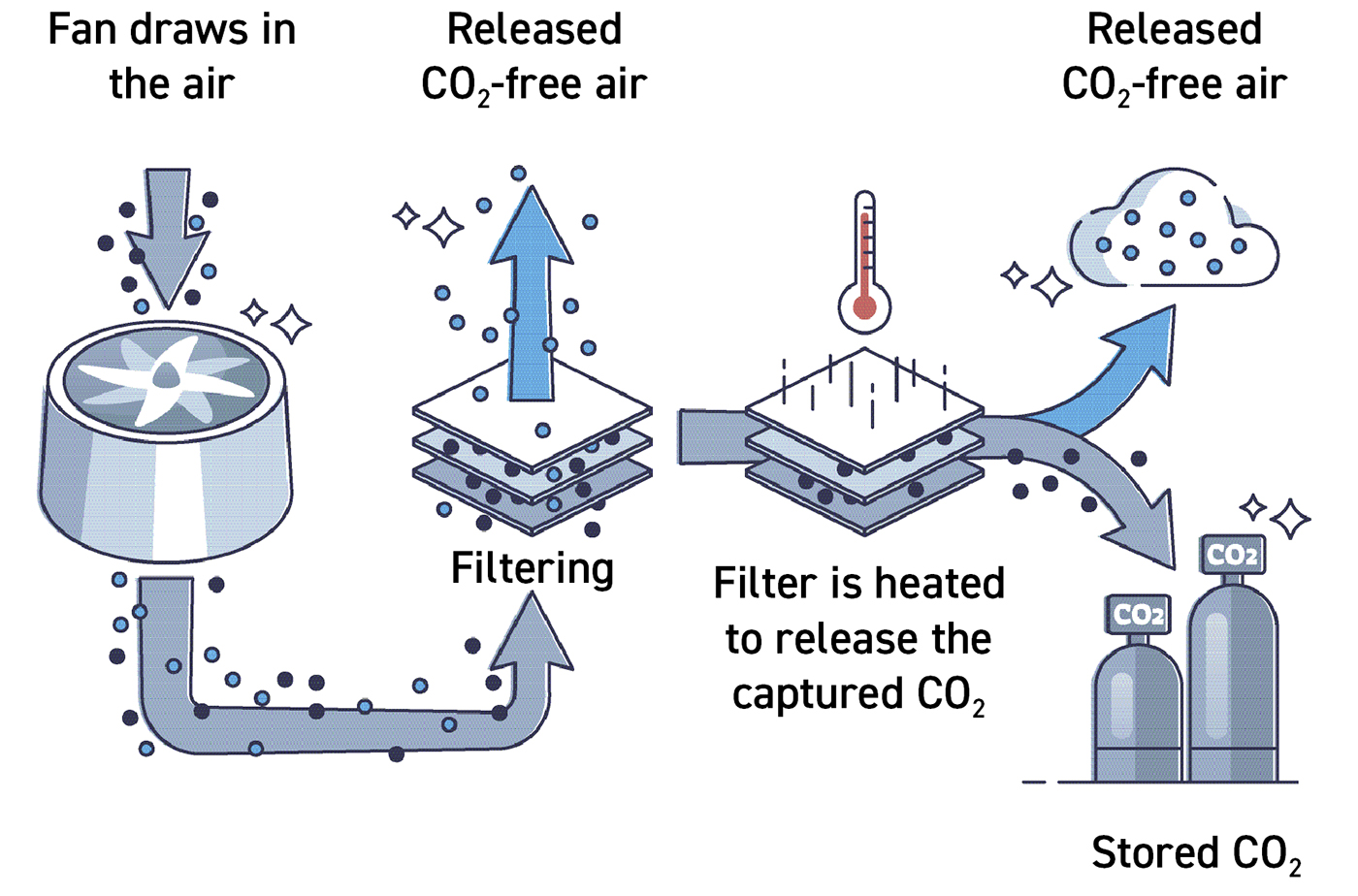
The growing concern over climate change has led to increased efforts in reducing carbon emissions worldwide. Among the various strategies being explored, carbon capture and storage (CCS) has emerged as a promising solution to mitigate the impact of carbon dioxide (CO2) on the environment. Improving carbon capture efficiency is crucial in making these environmental initiatives more effective and sustainable. This article delves into the advancements and strategies aimed at enhancing the efficiency of carbon capture technologies, thereby playing a vital role in combating climate change.
Understanding Carbon Capture Technology
Carbon capture technology involves the process of capturing CO2 emissions produced from industrial and energy-related sources before they are released into the atmosphere. The captured carbon is then stored underground or utilized in various ways. This technology is particularly important in sectors where reducing emissions is challenging and where alternatives to fossil fuels are limited.
Innovations Driving Efficiency
Advancements in carbon capture technology focus on several key areas to improve efficiency:
- **Materials and Sorbents:** Development of advanced materials and sorbents that offer higher capture rates and lower energy consumption is a primary area of research. Innovative materials can significantly enhance the carbon capture efficiency by binding CO2 more effectively.
- **Process Optimization:** Improving the processes involved in capturing and storing CO2 can lead to more efficient operations. This includes optimizing the conditions under which CO2 is captured, such as pressure and temperature settings.
- **Integration with Renewable Energy Sources:** Using renewable energy to power carbon capture systems can reduce the overall carbon footprint of the process itself, making it more sustainable.
- **Utilization of Captured Carbon:** Finding innovative ways to utilize captured CO2, such as converting it into useful products, can create economic incentives and reduce storage requirements.
Challenges and Solutions
Despite the progress made, several challenges remain in improving the efficiency of carbon capture technologies:
- **Cost:** The high cost of implementing and operating carbon capture systems is a significant barrier. Developing cost-effective solutions is essential for widespread adoption.
- **Infrastructure:** Adequate infrastructure is required for the transportation and storage of captured CO2. Investments in infrastructure development are necessary to support these technologies.
- **Scalability:** Scaling up carbon capture technologies to meet global demand is a complex challenge. Collaborative efforts between governments, industries, and research institutions are needed to address this issue.
Addressing these challenges requires a multifaceted approach that includes policy support, financial incentives, and continued research and development.
Policy and Regulatory Framework
Government policies and regulations play a crucial role in promoting carbon capture technologies. Incentives such as tax credits, subsidies, and carbon pricing can encourage investments in CCS projects. Additionally, establishing clear regulatory frameworks can provide the certainty needed for long-term investments in these technologies.
International Collaboration
Global cooperation is essential to accelerate the development and deployment of carbon capture technologies. Sharing knowledge, resources, and best practices can help overcome technical and financial barriers. International agreements and partnerships can facilitate the pooling of resources and expertise, driving progress in this field.
The Future of Carbon Capture
The future of carbon capture technologies looks promising, with ongoing research leading to more efficient and cost-effective solutions. As the world moves towards achieving net-zero emissions targets, improving carbon capture efficiency will remain a critical component of environmental initiatives. By continuing to innovate and collaborate, it is possible to create a sustainable future where carbon capture plays a central role in mitigating climate change.
In conclusion, the path to enhancing carbon capture efficiency involves a combination of technological advancements, policy support, and international collaboration. By addressing the existing challenges and leveraging new opportunities, carbon capture can significantly contribute to a cleaner and more sustainable world.