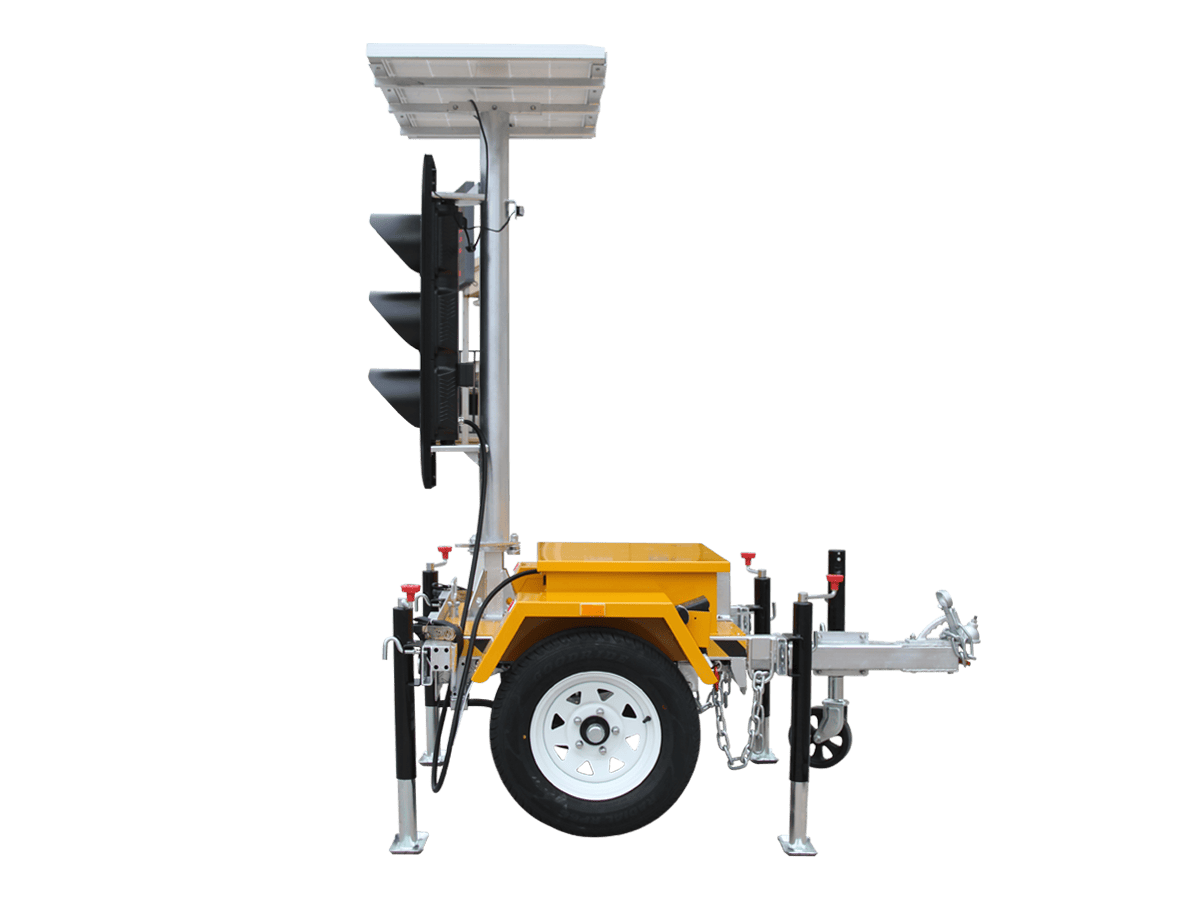
With the rapid pace of urban development and increasing traffic congestion in cities worldwide, efficient traffic management solutions have become essential. One of the innovative solutions gaining traction is the use of temporary traffic lights. These lights offer a flexible and cost-effective way to manage traffic flow during construction, road maintenance, and special events. This article delves into the numerous advantages of deploying temporary traffic signals in various scenarios, highlighting their utility and the technological advancements driving their adoption.
Flexibility in Traffic Management
Temporary traffic lights provide unparalleled flexibility, allowing traffic controllers to adapt to changing conditions swiftly. This flexibility is particularly beneficial in situations where road conditions are dynamic and unpredictable.
- They can be easily relocated to different sites as needed.
- Adjustments can be made to signal timings to accommodate varying traffic volumes.
- They are ideal for short-term projects, reducing the need for permanent infrastructure changes.
Cost-Effectiveness
One of the standout benefits of temporary traffic lights is their cost-effectiveness. Installing permanent traffic signals can be expensive, both in terms of initial setup and ongoing maintenance. In contrast, temporary traffic lights offer a budget-friendly alternative.
- Lower initial investment compared to permanent installations.
- Reduced maintenance costs due to their temporary nature.
- Can be rented for short-duration projects, further minimizing expenses.
Enhanced Safety
Safety is a primary concern in traffic management. Temporary traffic lights enhance safety by providing clear and visible signals to drivers, pedestrians, and cyclists. The use of portable traffic signal lights contributes to accident prevention, especially in high-risk areas.
- Improves visibility in construction zones, reducing the risk of accidents.
- Directs traffic effectively, minimizing confusion and delays.
- Ensures compliance with traffic regulations, enhancing overall road safety.
Technological Advancements
The development of advanced portable traffic signal technology has significantly improved the functionality and reliability of temporary traffic management systems. These advancements ensure that temporary traffic signals are not only effective but also user-friendly.
- Integration with smart traffic management systems for real-time monitoring and adjustments.
- Solar-powered options for sustainable energy usage.
- Remote control capabilities, allowing for easy operation and configuration adjustments.
Applications of Temporary Traffic Signals
Temporary traffic signals are versatile tools with a wide range of applications. Their adaptability makes them suitable for various scenarios where traditional traffic lights may not be feasible.
- Temporary traffic signal systems are ideal for road construction projects, ensuring smooth traffic flow around work zones.
- They are beneficial during events that lead to significant traffic changes, such as festivals or parades.
- Useful in emergency situations where immediate traffic management solutions are required.
Conclusion
The growing demand for efficient and adaptable traffic management solutions underscores the importance of temporary traffic lights. As cities continue to expand and traffic patterns evolve, the need for flexible, cost-effective, and technologically advanced solutions becomes paramount. By leveraging the benefits of temporary traffic lights, municipalities and traffic management entities can ensure safer and more efficient roadways, contributing to improved urban mobility and reduced congestion.