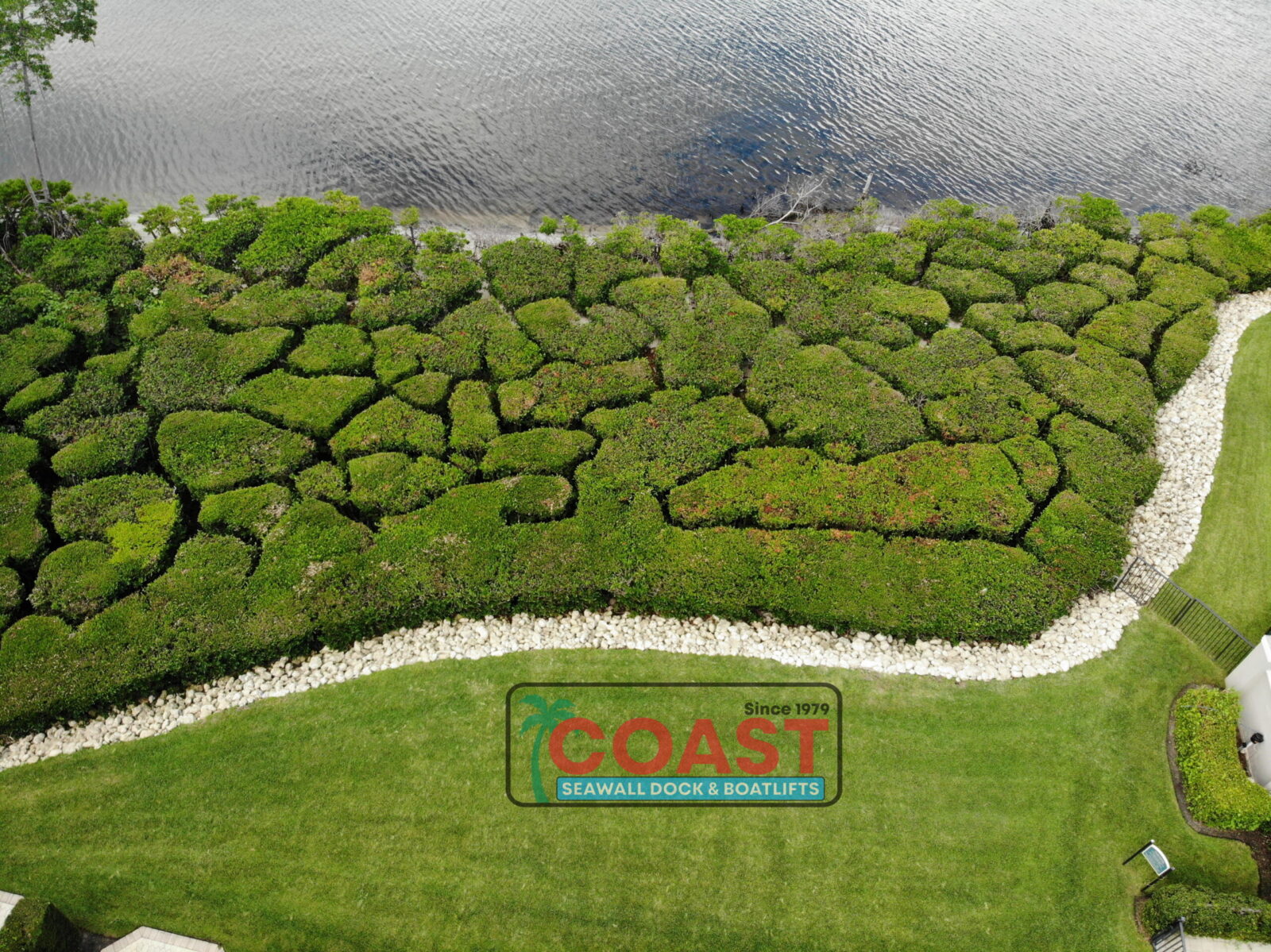
Rock seawall construction is a critical aspect of coastal engineering, offering protection against erosion and serving as a resilient barrier against the forces of nature. With increasing coastal developments and the pressing need for environmental preservation, understanding the nuances of successful rock seawall construction projects becomes paramount. This article delves into expert tips that guide the effective planning, design, and execution of these projects, ensuring durability and sustainability.
Understanding Site Conditions
Before embarking on a rock seawall construction project, a thorough analysis of the site conditions is essential. This involves assessing several factors:
- Geotechnical Surveys: Understanding the soil composition and stability is crucial for determining the appropriate foundation and structure of the seawall.
- Wave and Tidal Patterns: Analyzing wave dynamics and tidal fluctuations helps in designing a seawall that can withstand the local marine forces.
- Environmental Impact: Conducting an environmental assessment ensures that the construction will not adversely affect local ecosystems.
Design Considerations
The design phase is pivotal in ensuring the seawall is both functional and sustainable. Key considerations include:
- Material Selection: Choosing the right type of rock and other materials can significantly affect the seawall?s durability and performance. Hard, durable rocks like granite are often preferred.
- Structural Design: The design should account for anticipated loadings, including the weight of the seawall itself and dynamic forces from waves and tidal actions.
- Aesthetic Integration: Balancing functionality with aesthetics ensures the seawall complements the surrounding landscape, which is increasingly important in residential and tourist areas.
Construction Techniques
Employing the right construction techniques is crucial for the successful realization of the seawall design. Some techniques include:
- Staging and Sequencing: Proper planning of construction stages can minimize disruptions and ensure smooth progress.
- Use of Modern Equipment: Utilizing advanced equipment can enhance precision in rock placement and overall construction efficiency.
- Quality Control: Regular inspections and testing during construction ensure that the seawall meets the requisite standards and specifications.
Post-Construction Maintenance
Once a seawall is completed, ongoing maintenance is crucial to ensure its longevity and effectiveness. This involves:
- Regular Inspections: Scheduled inspections help identify and address any structural issues or damage early on.
- Repairs and Reinforcements: Swift execution of necessary repairs and reinforcements can prevent minor issues from escalating.
- Monitoring Environmental Changes: Keeping track of changes in environmental conditions can inform necessary adjustments or upgrades to the seawall.
Conclusion
Successful rock seawall construction projects require a thorough understanding of site conditions, meticulous design, effective construction techniques, and diligent post-construction maintenance. By adhering to these expert tips, stakeholders can ensure that seawalls not only protect coastal areas effectively but also harmonize with their natural surroundings. For those involved in such projects, staying informed about the latest developments and practices in rock seawall construction ensures that these vital structures continue to serve their purpose efficiently and sustainably.